
What is a stopper in football? Everything you need to know
Football is a game of tactics, structure, and specialized roles. One of the most important defensive roles especially in traditional systems is the stopper. But what is a stopper in football, and why does this position matter?
In simple terms, a stopper is a type of central defender whose primary job is to mark and neutralize the opponent’s main attacking threat. Unlike other defenders who focus on positioning or sweeping behind the defense, the stopper is aggressive, proactive, and often engages directly with attackers.
This article, soccervista.mobi will break down the stopper role, responsibilities, skills, and how it fits into modern football.
What is a stopper in football?
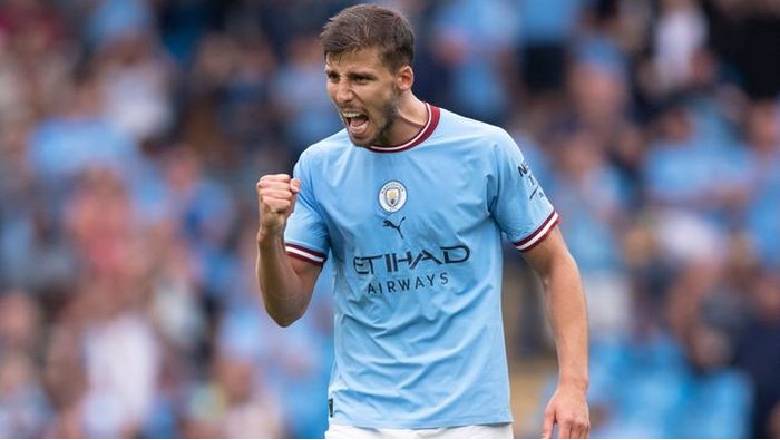
Definition of a stopper
A stopper is a central defender (centre-back) who is tasked with closely marking opposition forwards, especially the most dangerous striker. Their job is to’’stop’’ attacks before they develop into serious threats.
Traditionally, the stopper was part of a defensive pairing that included:
A stopper (aggressive marker)
A sweeper (free defender covering behind)
This system was widely used in older tactical formations.
To better understand the stopper, it helps to compare it with the sweeper:
Stopper:
Marks opponents tightly
Steps forward to challenge attackers
Focuses on physical duels
Sweeper:
Plays behind the defensive line
Covers mistakes
Reads the game and intercepts passes
The stopper is reactive and confrontational, while the sweeper is more strategic and supportive.
Key responsibilities of a stopper
1. Man marking opponents
The stopper’s main job is to track and mark the opposing striker. This often involves staying very close to the attacker, limiting their space and time on the ball.
2. Winning tackles and duels
Stoppers must be strong in: Tackling, aerial duels & physical battles. They frequently engage in one-on-one situations and must win the ball cleanly.
3. Breaking up attacks early
Instead of waiting, a stopper often steps out of the defensive line to intercept passes or challenge attackers before they turn.
4. Applying defensive pressure
A good stopper constantly pressures attackers, forcing mistakes such as: Poor passes, bad touches or loss of possession
Essential skills of a stopper
1. Physical strength
Since the role involves direct duels, strength is crucial for: Shielding the ball, winning challenges & holding off attackers
2. Aggression and confidence
A stopper must be fearless and decisive. Hesitation can lead to dangerous chances for the opponent.
3. Tackling ability
Precise tackling is essential. Mistimed tackles can result in fouls or penalties.
4. Positioning awareness
Even though stoppers are aggressive, they still need strong positional awareness to avoid leaving gaps in defense.
5. Stamina and work rate
Tracking attackers for the entire match requires high endurance and concentration.
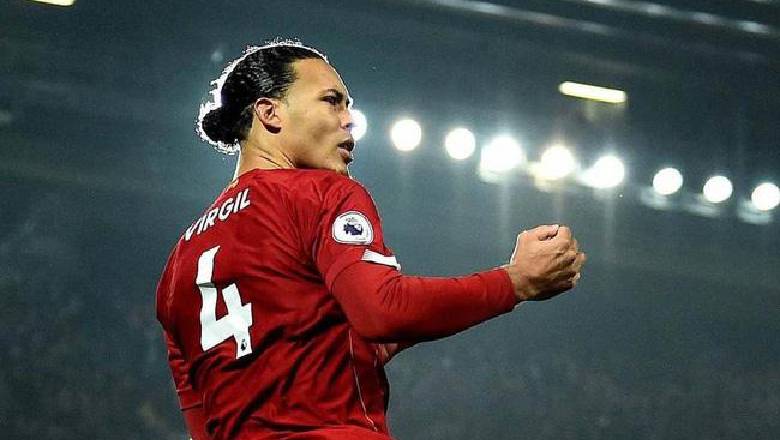
The stopper in modern football
Is the stopper role still used today?
Modern football has evolved significantly. Many teams no longer use a traditional stopper-sweeper system. Instead, most teams play with:
Two centre-backs in a flat line
Zonal marking instead of strict man-marking
However, the stopper role hasn’t disappeared; it has adapted.
Modern equivalent of a stopper
Today, elements of the stopper role can be seen in:
Aggressive centre-backs who step forward to intercept
Defenders who press high and disrupt attacks early
These players may not be called “stoppers” but they perform similar functions within modern tactical systems.
Some of the most famous stoppers in recent times
Virgil van Dijk: Liverpool FC’s steely center-back, strong in aerial duels and one-on-one situations.
Sergio Ramos: Fiery playing style, impressive tackling and goal-scoring ability.
Giorgio Chiellini: A quintessential classic stopper: aggressive, extremely tight man-marking.
Nemanja Vidic: A "rock" in Manchester United's defense.
Ruben Dias: A modern center-back who still retains the qualities of a stopper with excellent game reading ability.
So, what is a stopper in football? Soccervista.mobi asserts that this is a specialized defensive role focused on stopping attacks at their source by directly confronting attackers. While traditional stoppers are less common in today’s game, their influence still exists in modern defending styles. Understanding the stopper role gives deeper insight into how defensive strategies have evolved and how teams balance aggression with structure. Whether in classic systems or modern adaptations, the stopper remains a symbol of strong, fearless defending. Visit our page to get the latest hot news and hourly updates on football match schedules.
The Most Popular
-
 Why is FIFA World Cup every 4 years? The real reason behind the World Cup schedule
 -
 Top 10 most famous Dutch football players of all time- who is no.1
 -
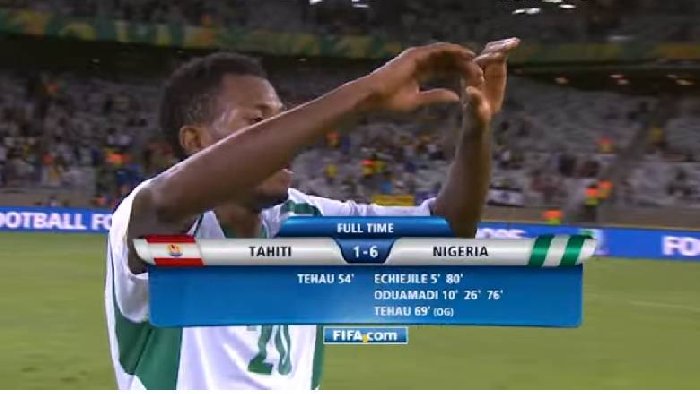 Top 3 Nigeria biggest wins in football history: Record-breaking victories
 -
 Who has scored the most goals against Tottenham? Premier League records revealed
 -
 Premier League all-time xi: The greatest team in EPL history
 -
 How many Puskas Awards does Neymar have? Full breakdown of his iconic goal
 -
 Who is the manager of England football team in 2026? Full guide to leadership, history, and future
 -
 10 best Portugal strikers of all time: Legendary goal scorers
 -
 Top 10 best Denmark football players of all time: Ranked legends who defined Danish football
 -
 How many World Cups does Spain have? Spain World Cup history explained