
Why is FIFA World Cup every 4 years? The real reason behind the World Cup schedule
The FIFA World Cup is the biggest football tournament in the world. Millions of fans across the globe wait eagerly for the competition, which features the best national teams battling for football's most prestigious trophy. One common question many fans ask is: why is FIFA every 4 years?
The answer involves history, player fitness, tournament organization, global traditions, and financial planning. The four-year cycle has become one of the most important traditions in international sports and helps maintain the excitement and prestige of the FIFA World Cup.
In this article, soccervista.mobi explains the reasons why FIFA is held every 4 years and why this schedule continues today.
Why is FIFA World Cup every 4 years?
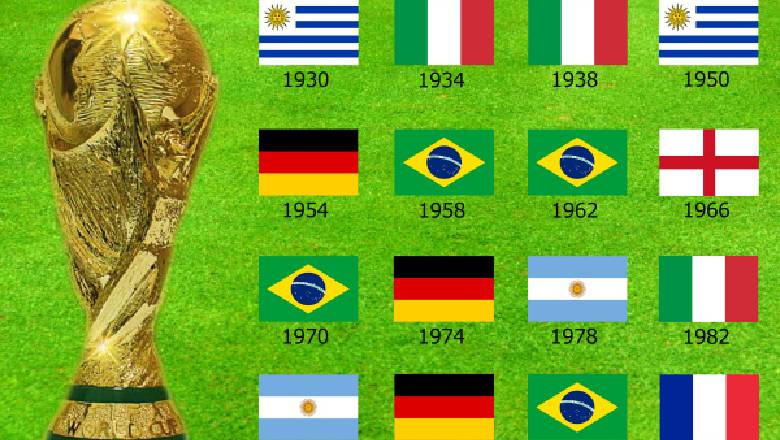
The history behind the Four-Year FIFA cycle
The first FIFA World Cup was organized in 1930 by FIFA in Uruguay. At that time, international travel was difficult, expensive, and time-consuming. Organizing a global football tournament required massive planning and coordination between countries.
FIFA decided that holding the World Cup every four years would provide enough time for countries to prepare their teams, stadiums, logistics, and qualification matches. This schedule was also inspired by the Olympic Games, which traditionally take place every four years.
Since then, the four-year cycle has become an essential part of football culture and remains unchanged except during major global events such as World War II.
Qualification matches take time
One major reason why FIFA is every four years is the qualification process. Before the tournament begins, national teams from around the world must compete in qualifying matches.
Today, more than 200 national teams participate in FIFA World Cup qualification campaigns across different continents. These matches are organized by regional football confederations such as UEFA, CONMEBOL, AFC, CAF, and CONCACAF.
The qualification process can last nearly three years. Teams play home and away matches, travel across continents, and compete in long schedules to secure a place in the World Cup finals. If FIFA were held more frequently, it would create scheduling chaos and reduce the quality of international football.
Players need recovery time
Modern football players already face extremely demanding schedules. Top footballers compete in domestic leagues, cup competitions, continental tournaments, and international matches every season.
Holding the FIFA World Cup every year or every two years would place enormous physical pressure on players. Injuries, fatigue, and burnout would become more common.
The four-year gap allows players enough time to recover, develop, and perform at their best when the tournament arrives. This helps maintain the high level of quality fans expect from the World Cup.
The tournament requires massive preparation
Hosting the FIFA World Cup is one of the largest sporting operations in the world. Countries spend years preparing stadiums, transportation systems, hotels, security plans, and infrastructure.
For example, host nations often build new stadiums, improve airports, and modernize public transportation before the tournament begins. These projects require enormous investments and careful planning.
If FIFA organized the World Cup more often, many countries would struggle to host the event successfully. The four-year schedule gives host nations enough time to prepare world-class facilities.
The 4 year wait builds excitement
One of the biggest reasons the FIFA World Cup remains special is its rarity. Fans only experience the tournament once every four years, which creates anticipation and emotional excitement.
Unlike domestic football leagues that happen annually, the World Cup feels unique because it is rare. Every tournament becomes a historic event that people remember for decades.
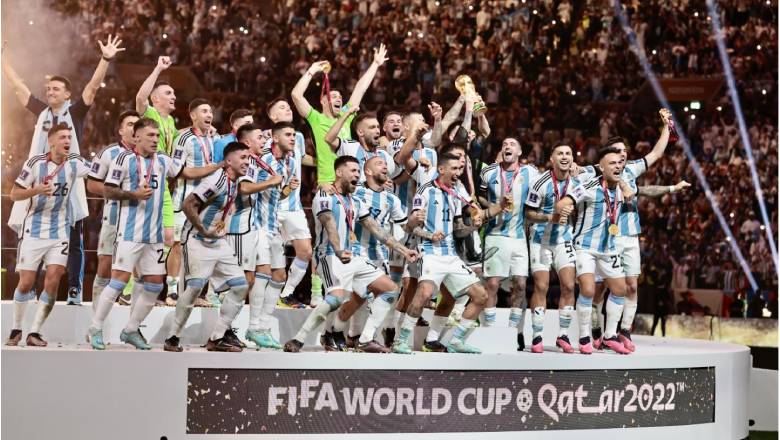
Moments such as Diego Maradona's performances in 1986, Zinedine Zidane’s brilliance in 1998, and Lionel Messi’s triumph in 2022 became legendary partly because the World Cup is not held frequently.
The long wait increases the tournament’s prestige and global attention.
FIFA generates huge economic value
The FIFA World Cup generates billions of dollars through broadcasting rights, sponsorships, tourism, and merchandise sales.
Major brands invest heavily in advertising during the tournament because the event attracts massive global audiences. Television networks also pay enormous amounts for broadcasting rights.
The four-year cycle helps maintain high demand and commercial value. If the World Cup happened too often, audience excitement and financial value could decline significantly.
Other international tournaments fill the gap
Another reason FIFA is every four years is that other football tournaments take place between World Cups. Competitions such as the UEFA European Championship, Copa America, AFC Asian Cup, and Africa Cup of Nations keep international football active.
These tournaments give fans exciting football content while preserving the World Cup's unique status as the ultimate international competition.
This balanced calendar helps avoid oversaturation and keeps football competitions meaningful.
Could FIFA World Cup ever change the schedule?
In recent years, FIFA has discussed the possibility of holding the World Cup every two years. Supporters argued that more tournaments could generate additional revenue and excitement.
However, many players, coaches, leagues, and football organizations strongly opposed the idea. Critics believed a shorter cycle would damage player health, reduce tournament prestige, and create scheduling conflicts.
As a result, the traditional four-year schedule remains the preferred format for most of the football world.
So, why is FIFA every 4 years? The answer lies in history, player welfare, tournament preparation, qualification schedules, and global tradition.
The four-year cycle gives teams enough time to prepare, allows players to recover, helps host nations organize successful tournaments, and builds worldwide anticipation. Most importantly, it preserves the prestige and magic of the FIFA World Cup.
For football fans, the long wait is part of what makes the tournament so unforgettable. Every World Cup feels like a once-in-a-generation event, bringing nations together through the universal language of football. Don't forget to click soccervista.mobi for more hot results updates, predictions for exciting football matches.
The Most Popular
-
 Top 10 most famous Dutch football players of all time- who is no.1
 -
 Top 3 Nigeria biggest wins in football history: Record-breaking victories
 -
 Who has scored the most goals against Tottenham? Premier League records revealed
 -
 Premier League all-time xi: The greatest team in EPL history
 -
 How many Puskas Awards does Neymar have? Full breakdown of his iconic goal
 -
 Who is the manager of England football team in 2026? Full guide to leadership, history, and future
 -
 10 best Portugal strikers of all time: Legendary goal scorers
 -
 Top 10 best Denmark football players of all time: Ranked legends who defined Danish football
 -
 How many World Cups does Spain have? Spain World Cup history explained
 -
 Top 10 best left-backs in football in 2025 according to FIFA rankings và performance